
American Revolutionary War modernises while retaining the familiar depth
My first review of a John Tiller-type of game!

My first review of a John Tiller-type of game! Now, they’re all owned by Wargame Design Studios (with the exception of two, still at Matrix Games). They bought, basically, all the John Tiller games across the board.
“My partner, David Freer, and I (Rich Hamilton) purchased the John Tiller Software IP in 2021 after John Tiller passed away. HPS was John’s former publisher, but he stopped publishing through them in 2010. All the rights belonged to John, so there was no transaction there.
John’s publisher before that was Talonsoft, which he had stopped publishing through in 1998. Those games, the Battleground series and The Campaign Series, are owned by Matrix games now. We did not approach them about acquisition as all of those titles have been replaced with newer games during John’s previous development.”
For me, just hearing HPS and Talonsoft (as well as the unmentioned old Firaxis, MicroProse and SSI,) makes me all goose-bumpeldy. Reminiscent of huge boxes, printed manuals and floppy disks. This plays like an old-school game and its got the history and experience of the games made in that era behind it.
Bigbossbattle.com is headquartered in England, and I think most of the writers are too. However, I am an American… so this should be interesting.
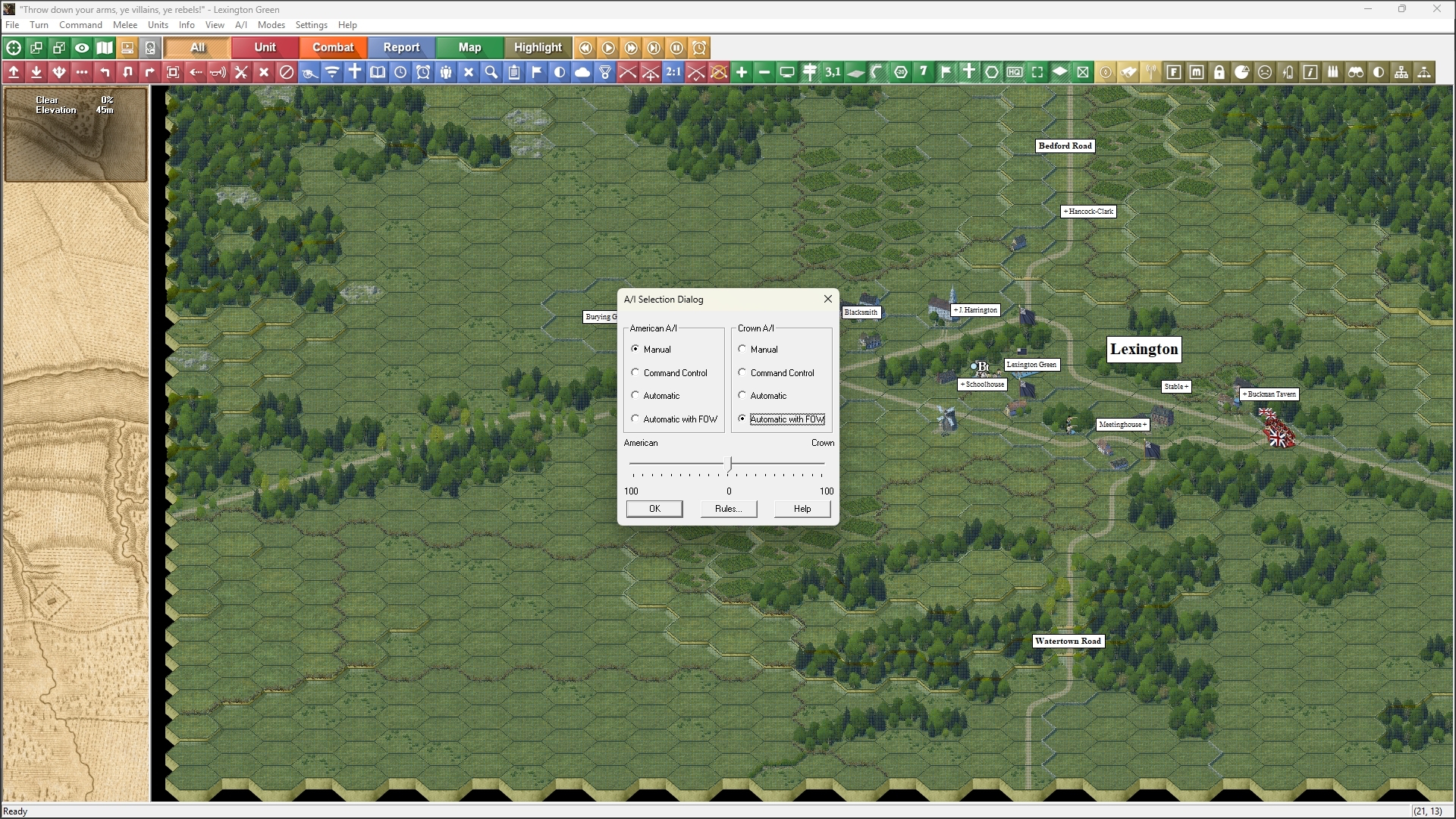
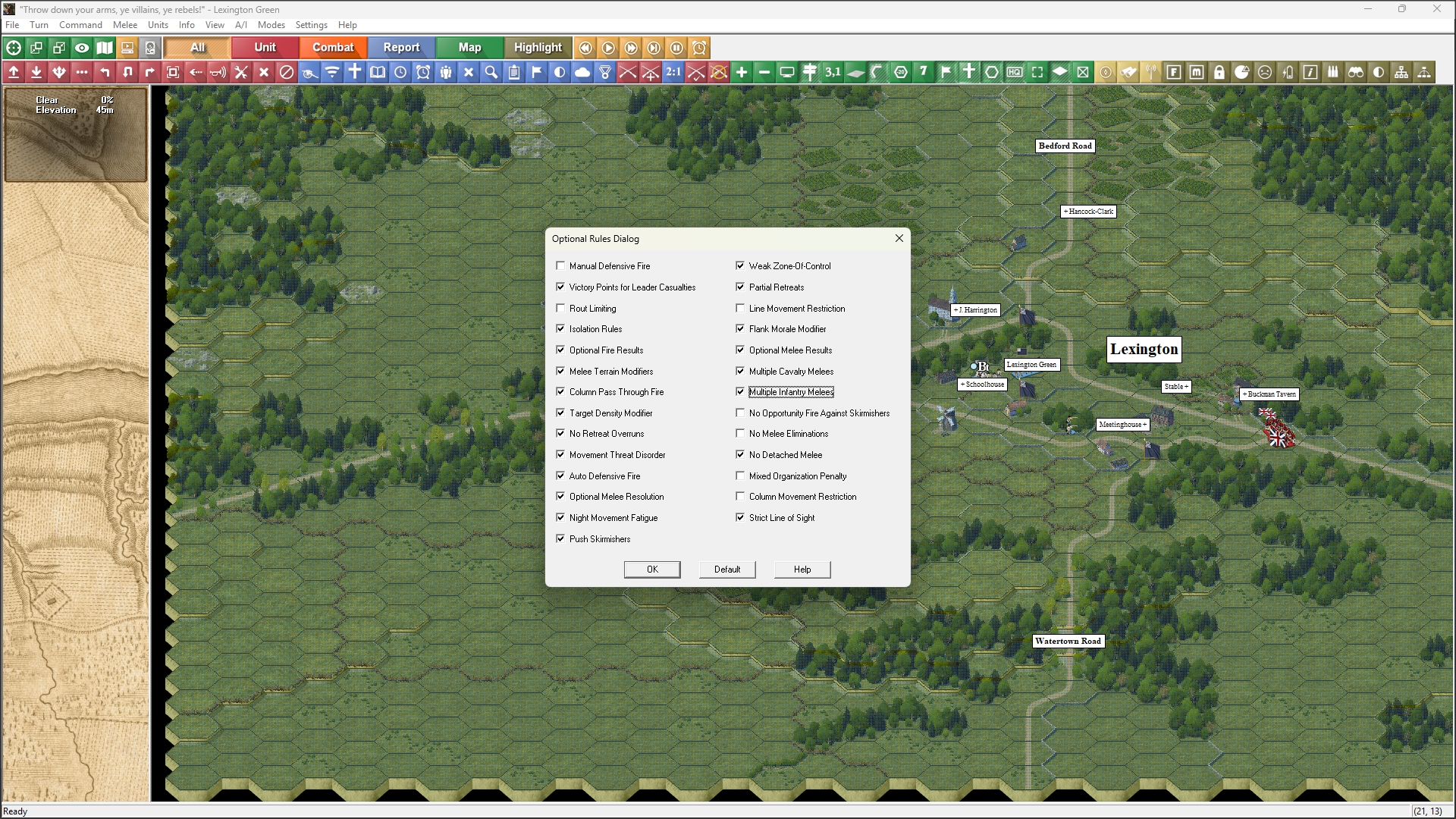
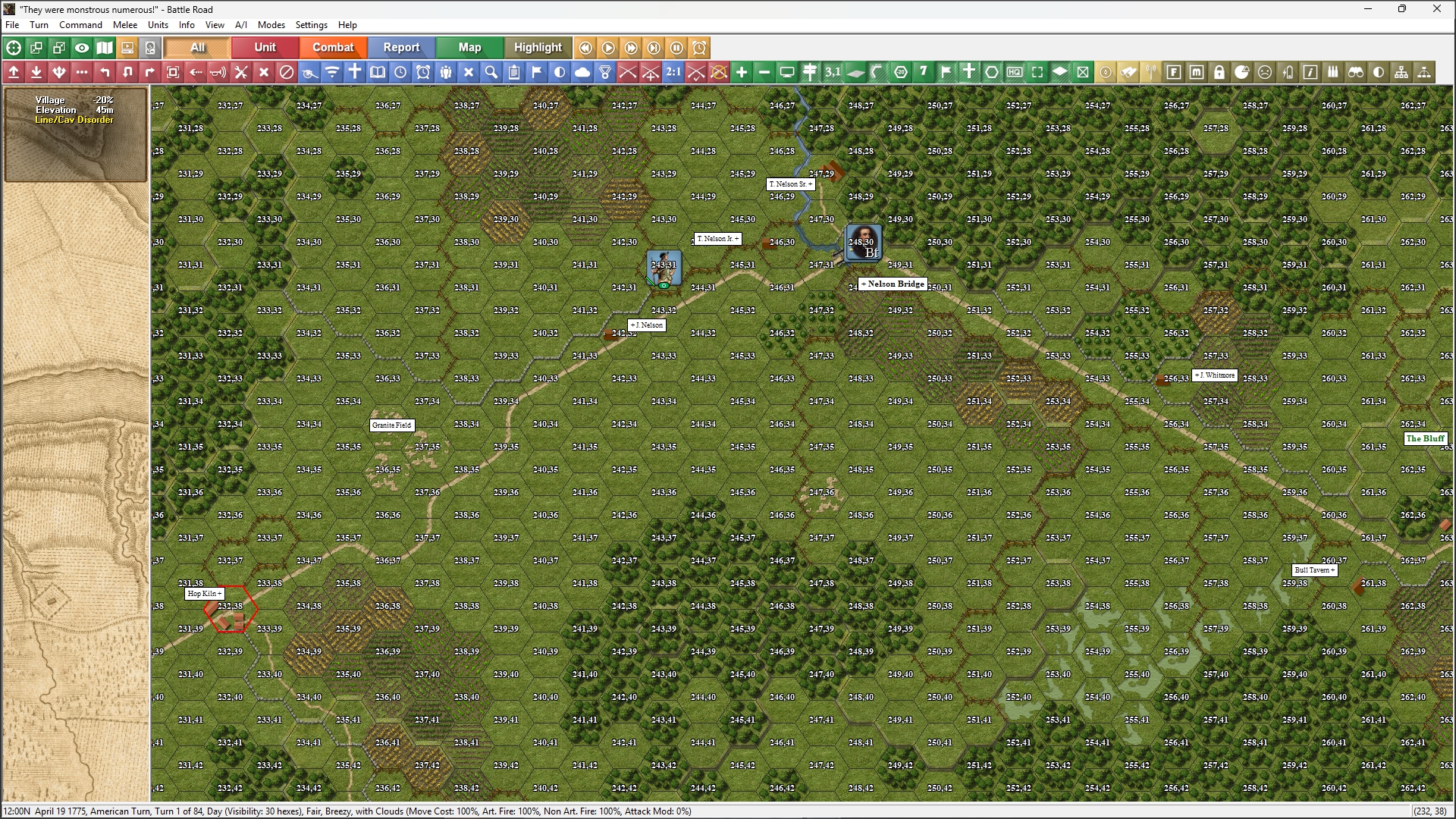
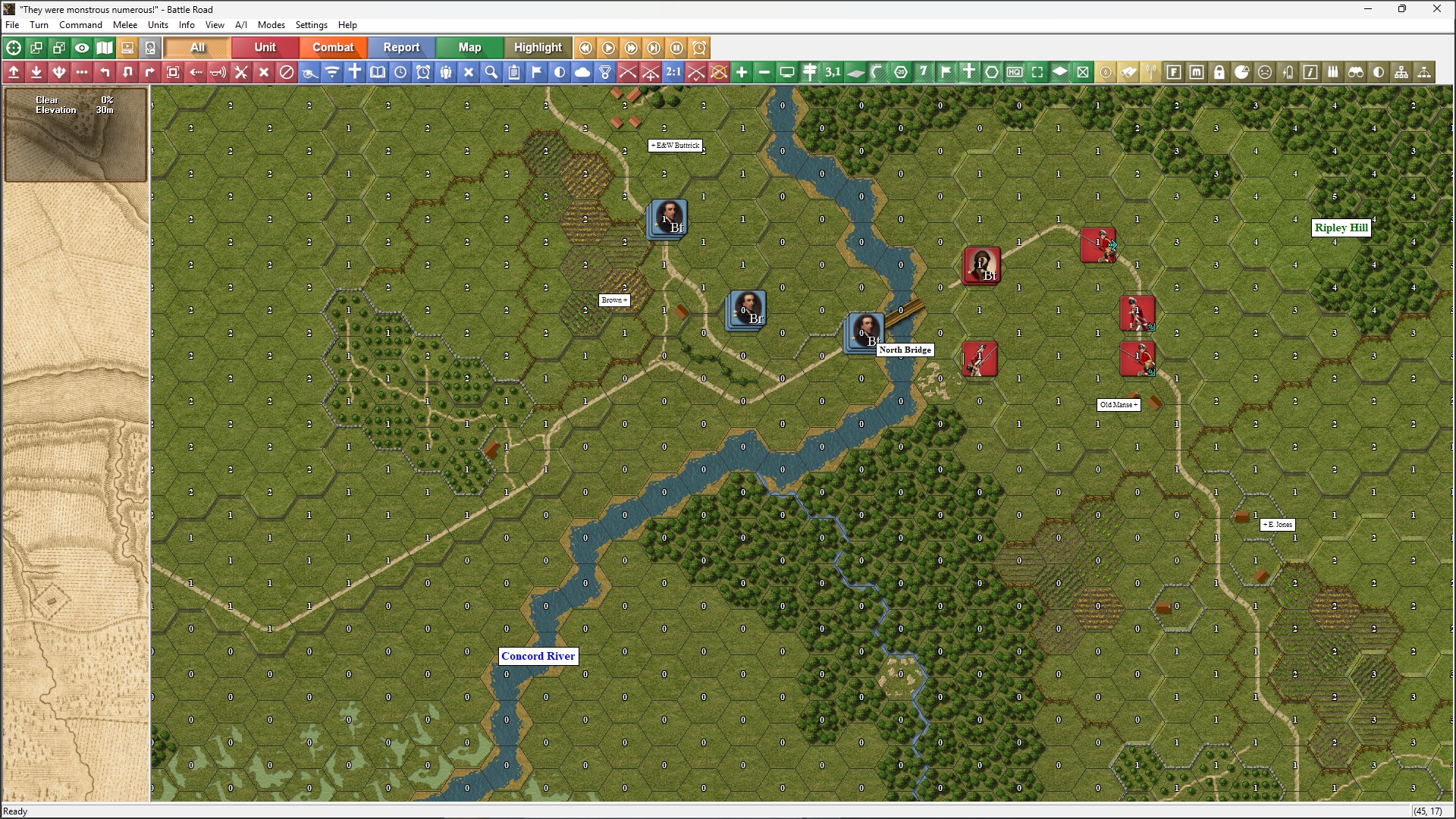
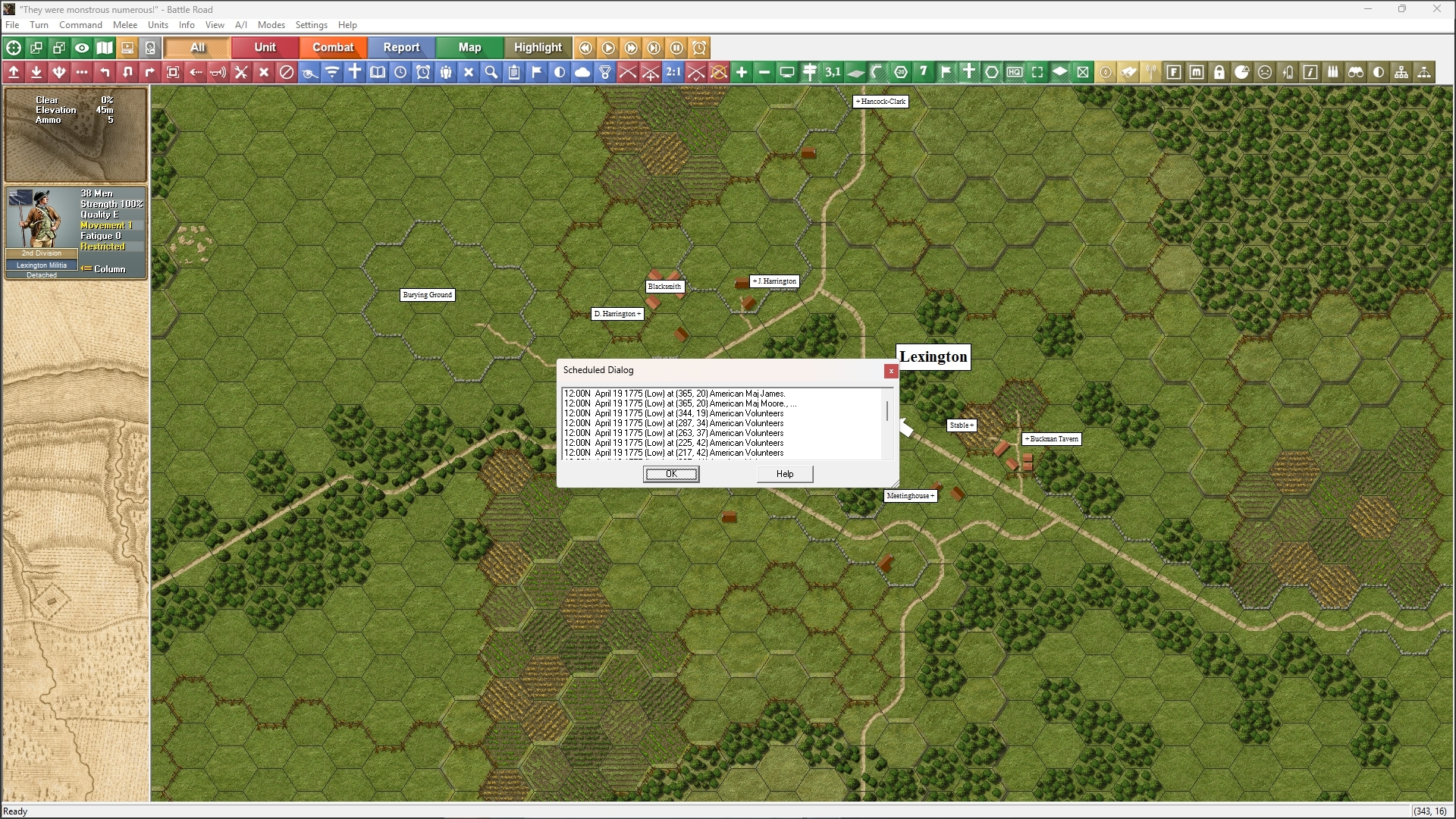
This is the American Revolutionary War. By the Power of Grayskull, THIS is a game. Turn-based, hex-based, plus a time period not often covered. If you’ve ever played any kind of John Tiller game then you’ll be right at home. However, if you haven’t, the screen itself can look overwhelming. Now, although there’s a bit of a learning curve, it’s not like you’ll be using every button, every turn. A lot of them are based on what you want to see at any given time. Of course, you can hover over every single one of them to find out what each does.
Phases
Prev 1 of 4 Next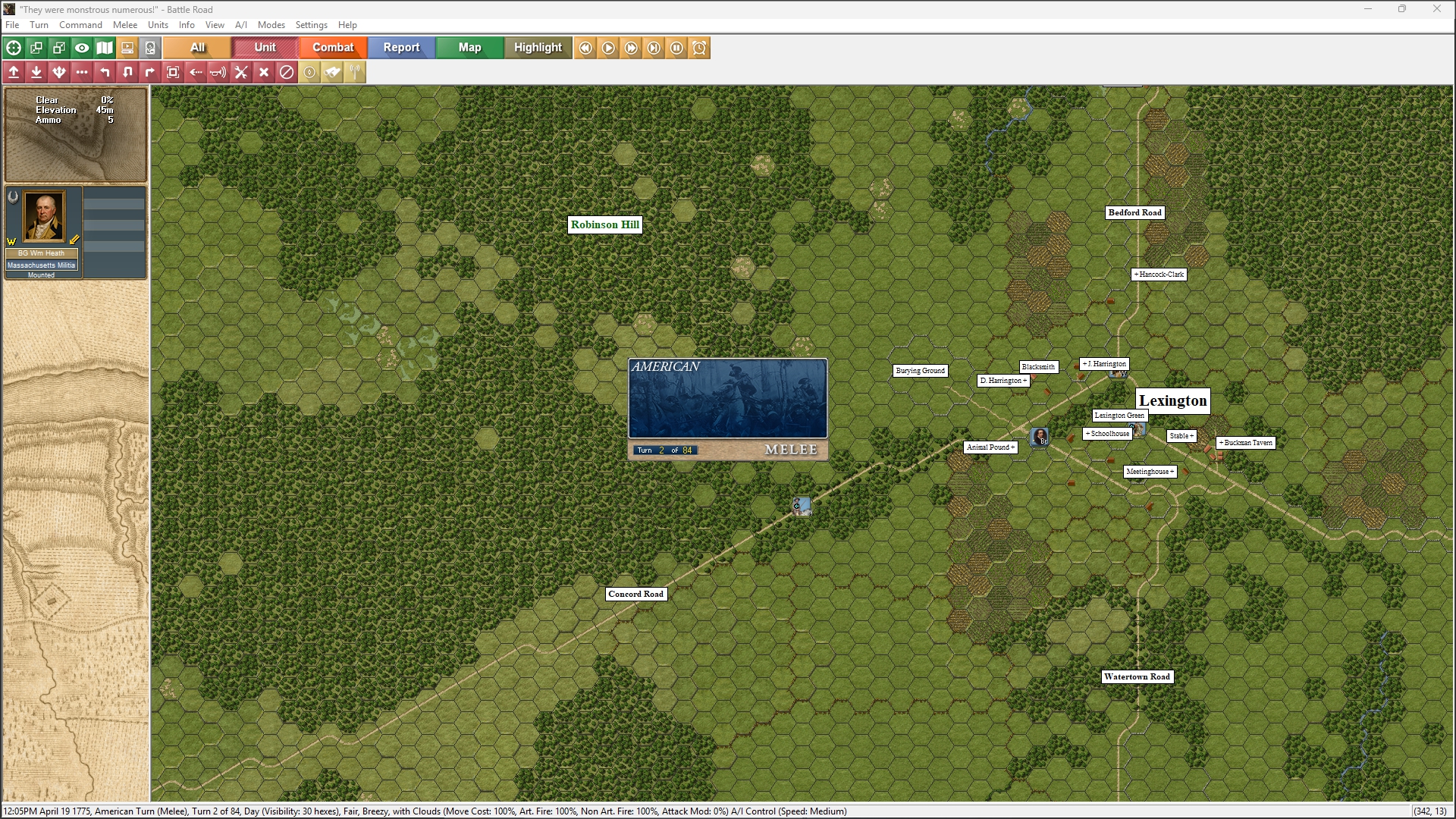
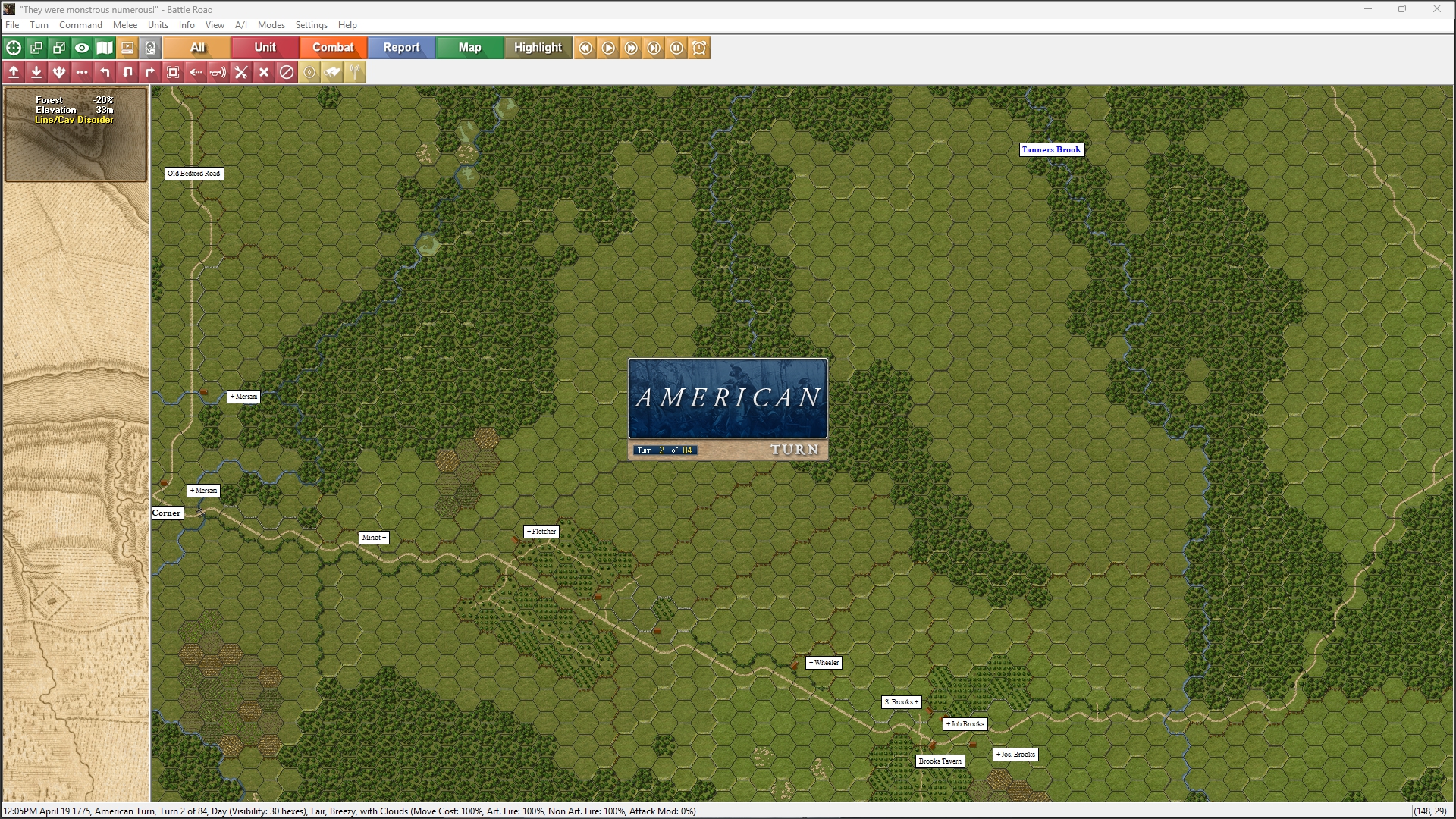
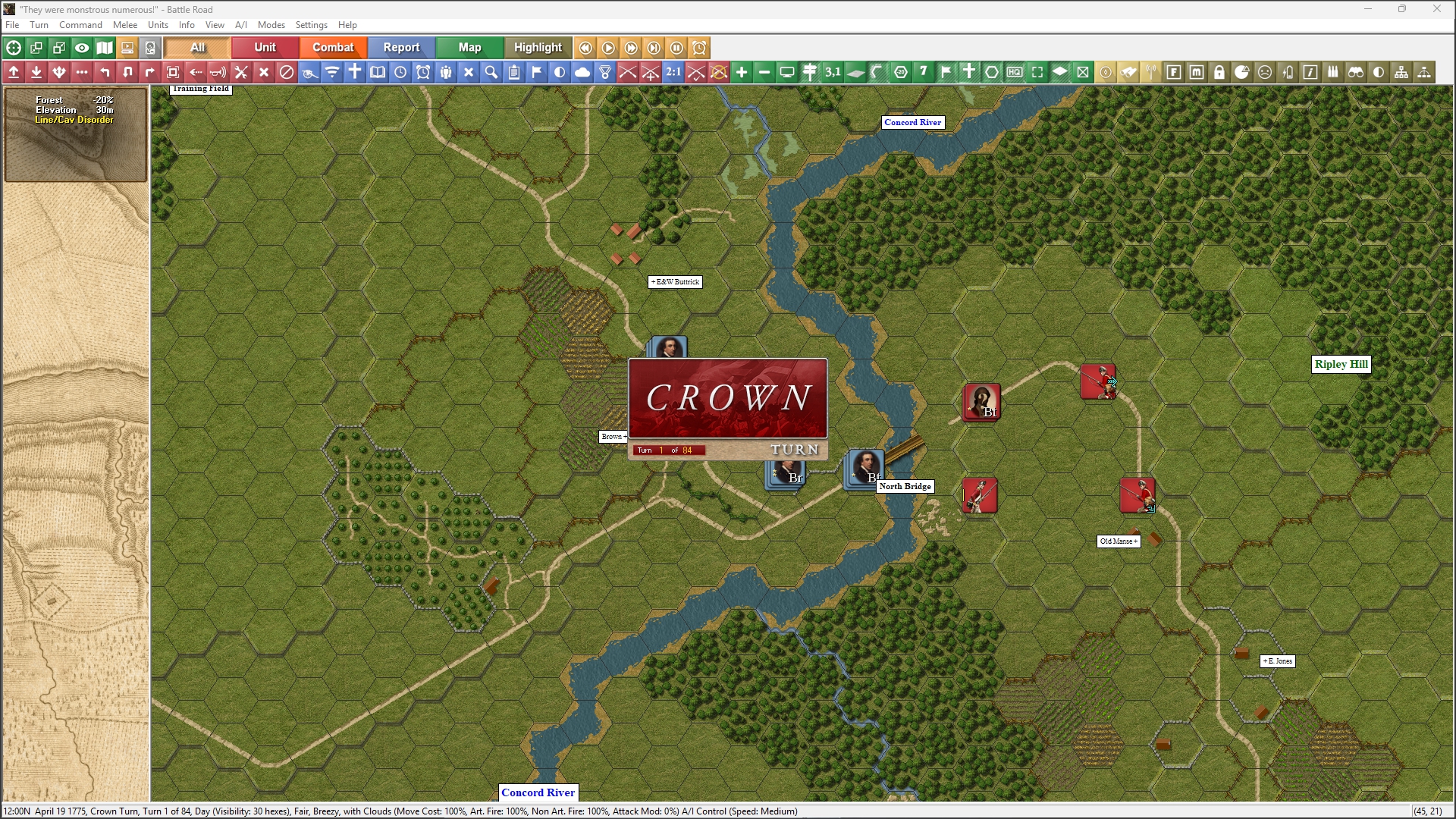
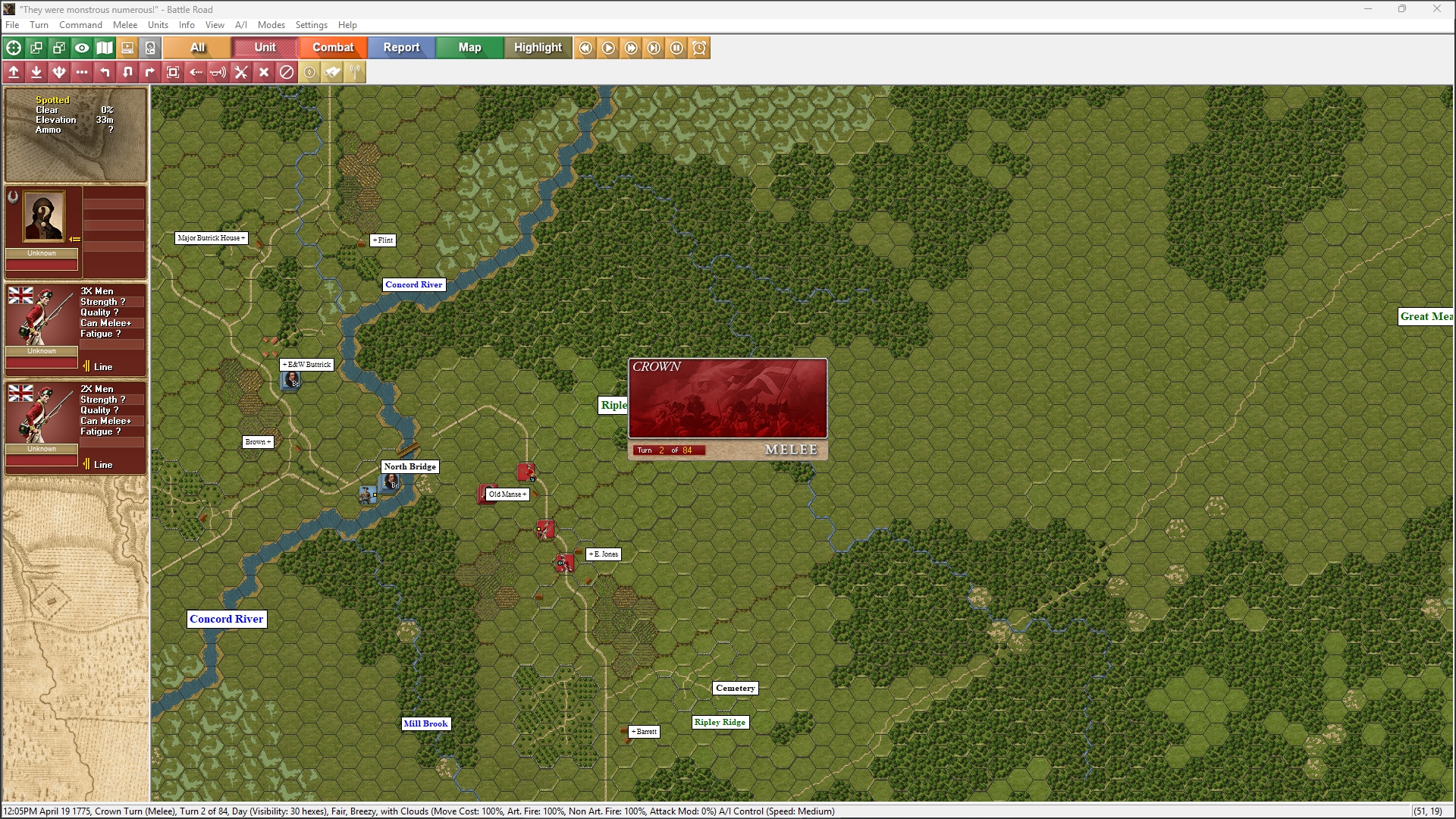
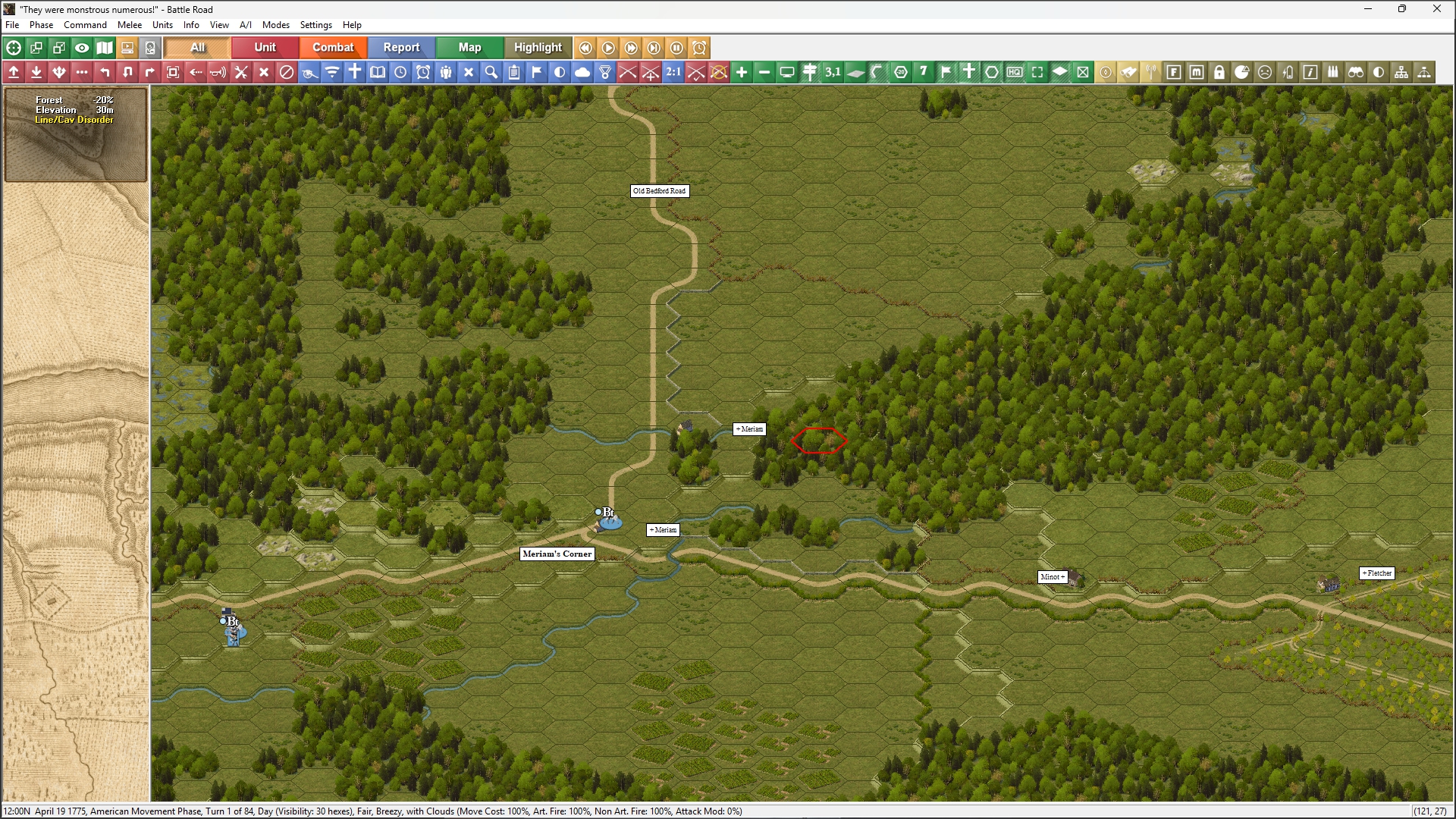
Obviously, the majority of your units are going to be Infantry (usually in either line, block, or column formation [with variations]), Cavalry which can fire while mounted and has its own formation rules, and Artillery which are Limbered (can move, not fire or Unlimbered which means they can fire but not move).

Then there are Special Units in American Revolutionary War, and they have many types. Most of the Special Units are pieces which don’t fit exactly into the three types I just mentioned.
Infantry has Officers (single units), Light Inf, Guard Inf, and Restricted types (which cannot be made into skirmishers) in the “Special” category. Cavalry has Heavy Cav, Irregular Cav, Lancers and Dragoons who can dismount and still fight. Artillery has Light Arty, Heavy Arty, and Emplaced Arty. There’s also a Pioneer Special Unit which are basically like Engineers in WW II and later games.
Rounding these all out are Skirmishers (generally guard units) made from Light Inf and/or Guard Inf, Squadron and Platoon units, and Supply Wagons. Then there are ships which can’t move into shallow water, can only have one per hex, and are used for broadside fire support.

Finally you have Shallow Water Ships — which fire fore & aft, rather than broadside. These are basically gunboats and barges, meant to be able to travel inland.
Movement is also easy (right-click) and is really my favorite improvement in the American Revolutionary War, over any other, earlier John Tiller-type of game. It used to be that you had to move everything one hex at a time. It wasn’t the end of the world but more tedious than anything else. Now, you can move as with most wargames and go from point A to B with just the one click! Of course, anything not mounted isn’t going to be speeding across the map, but still, it’s a major step forward (pun intended). As with all John Tiller-types, make sure whatever unit you’re going to do something is “selected”. Back in the day, it took me a little while to get used to it, but it quickly becomes automatic.

Battle relies on which unit you’re using for attack or defense. “Infantry and Artillery units are capable of firing on enemy units and each has a range value indicating the number of hexes that unit may fire.” If I haven’t made the point strong enough before: pay attention to the numbers on your units. As you can see, it’s not just attack and defense, but also range, formation, mounted, dismounted, etc. Obviously, like any good wargame, the more distance you can gain from the enemy to attack, is greatly advantageous… and a plus for not needing to be in a connected hex for your offensive operation.
Although this review is lengthy (sorry about that), I could easily add thousands of more words to describe the awesomeness of American Revolutionary War. As I’ve said for only a few reviews, this one stays on the hard drive forever. The scenario I chose was obviously a massive one ( “BattleRoad” at 84 turns) due to my preferences for campaign-length battles. The major plus for me? My Americans defeated my Big Boss’s “Crown” (English units and game vernacular). The fun part was that it wasn’t handed to me… which made the victory all the more worthwhile.
American Revolutionary War modernises while retaining the familiar depth
Prev 1 of 5 Next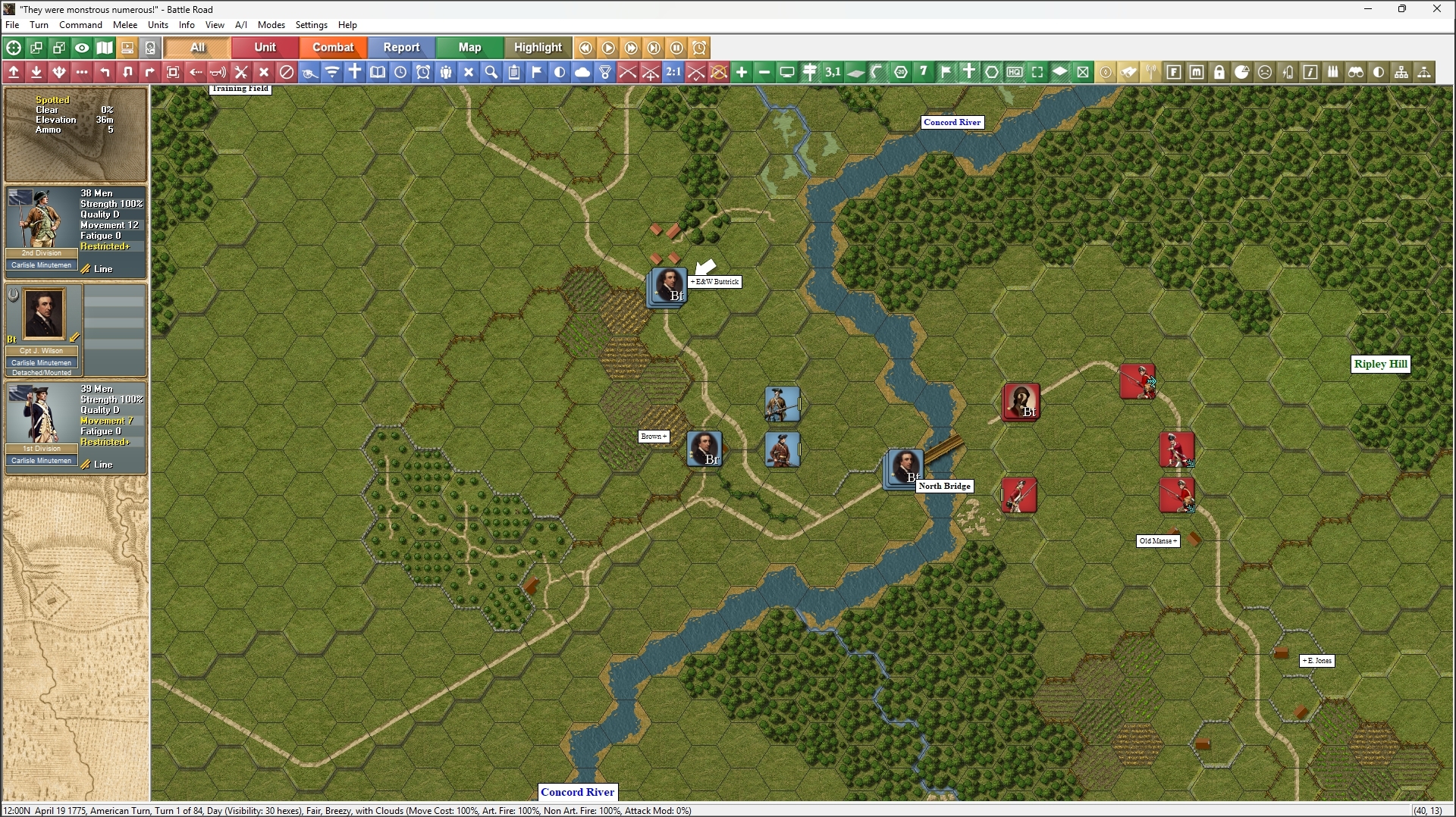
American Revolutionary War is available now on PC.
